

Understanding the psychological effects of gambling on decision-making behavior
The Nature of Gambling and Its Psychological Appeal
Gambling has fascinated humans for centuries, serving as a form of entertainment that taps into our innate desire for excitement and reward. The psychological appeal of gambling is often rooted in the thrill of uncertainty and the potential for significant financial gain. This unpredictable nature creates a unique environment where individuals can experience heightened emotions, often blurring the lines between rational decision-making and impulsive behavior. Many Irish players have discovered how easy it is to download 1xbet for iphone and join in on the action.
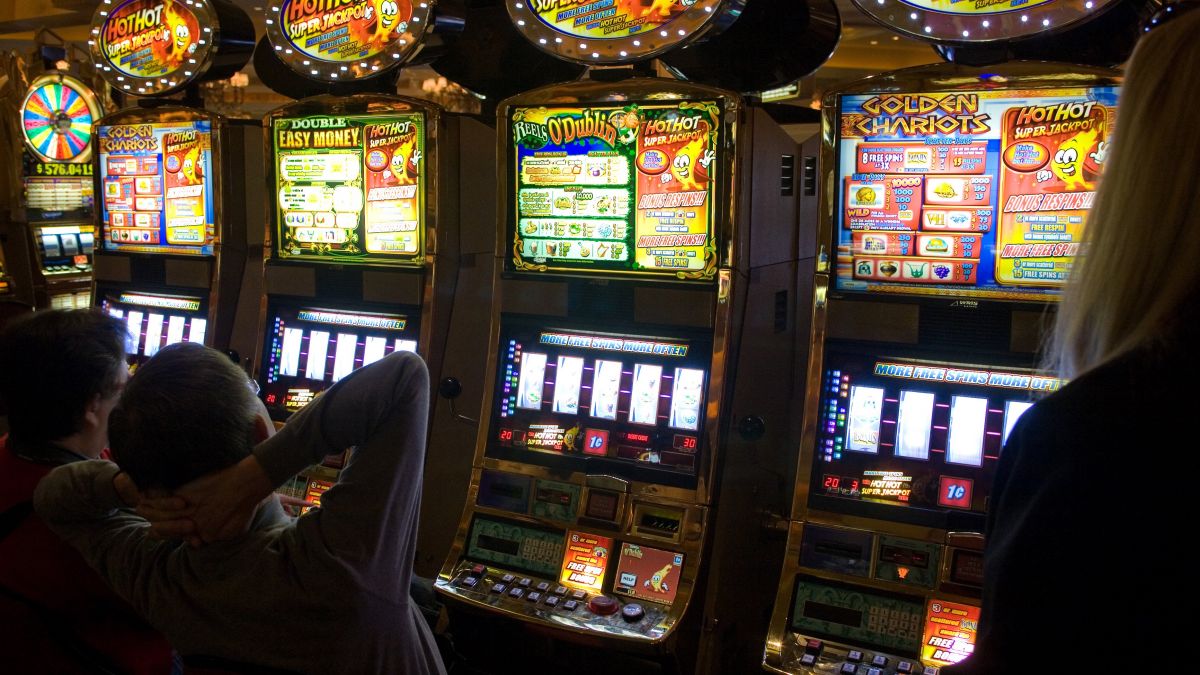
This thrill-seeking behavior can trigger the brain’s reward system, releasing dopamine and reinforcing the desire to gamble. Understanding these psychological mechanisms is crucial for recognizing how gambling can affect decision-making processes and lead individuals to prioritize short-term rewards over long-term consequences.
The Role of Cognitive Biases in Gambling
Cognitive biases significantly influence how gamblers perceive their chances of winning. For instance, the gambler’s fallacy leads individuals to believe that past outcomes affect future results, which can skew their understanding of probability. Such biases may encourage continued betting, even when the odds are unfavorable. This misunderstanding of luck versus skill often results in a cycle of poor decision-making that can exacerbate gambling behaviors.
Furthermore, confirmation bias can cause gamblers to focus on winning experiences while ignoring losses. This selective memory fosters an illusion of control over outcomes, making it difficult for individuals to recognize the risks associated with gambling. These cognitive distortions play a crucial role in shaping how decisions are made and can lead to compulsive gambling behaviors.
The Emotional Impact of Gambling on Decision-Making
The emotional state of a gambler can profoundly affect their decision-making behavior. High levels of excitement or anxiety can result in impulsive decisions, overshadowing rational thought. When gamblers are on a winning streak, they may feel invincible, leading them to take greater risks that they would otherwise avoid in a calmer state of mind.
Conversely, losing can generate feelings of frustration and hopelessness, causing individuals to chase their losses. This emotional rollercoaster creates an unstable foundation for decision-making, making it difficult for individuals to assess risks accurately. Understanding the emotional dynamics at play is essential for grasping how they influence gambling choices.
The Influence of Social Factors on Gambling Decisions
Social factors, including peer pressure and cultural norms, can significantly shape gambling behavior. Individuals may be more likely to gamble in social settings where there is a perceived validation from friends or family. This social aspect can magnify the psychological effects of gambling, as people may feel encouraged to take risks they wouldn’t typically consider alone.
Moreover, societal attitudes toward gambling can normalize the behavior, contributing to a broader acceptance of risk-taking. This environment can create a community that reinforces gambling decisions, often leading to collective rationalizations that downplay the associated risks. Understanding these social influences is key to comprehending the complexities of gambling behavior.

Exploring Responsible Gambling and Resources
Responsible gambling practices are essential for mitigating the psychological risks associated with gambling. Educational resources aim to promote awareness of the cognitive and emotional influences that can lead to harmful decision-making. By understanding the psychological effects of gambling, individuals can develop strategies to make informed choices and set limits on their behavior.
Various organizations offer support for those struggling with gambling-related issues, providing tools for self-assessment and strategies for recovery. Accessing these resources can empower individuals to recognize their patterns and make healthier decisions regarding gambling. Understanding the psychological effects serves as a foundational step toward responsible gambling and improved decision-making behavior.